
ARE YOU COMPLETELY SURE IT’S THE RIGHT MATERIAL?
In operations with high demands on safety, traceability, and quality, a material certificate is not always sufficient. A material may have been mixed up, incorrectly labeled, or misplaced somewhere along the way.
With PMI, Positive Material Identification, the actual alloy in the material can be verified quickly and non-destructively. This provides an extra layer of quality assurance before the component is delivered, installed, or put into operation.
When the right material goes wrong along the way
A pipe, a fitting, a plate, or a welded component may look perfectly correct. The documentation may also be in order. However, materials often pass through several stages before reaching their final destination – storage, picking, processing, welding, assembly, and transport.
This means that a material can be correctly verified early in the process and still be mixed up later.
The more steps the material passes through, the more opportunities there are for a deviation to occur. Therefore, the question is not only whether the material was correct when it arrived, but whether it is still correct when the component is finished.
In operations where materials are exposed to high temperatures, corrosive media, or significant safety requirements, the consequences can be substantial. This can involve rework, delays, traceability deficiencies, or, in the worst case, problems only when the component is already in operation.
That is why PMI is fundamentally about more than just the measurement itself. It is about verifying that the material actually used in the finished component complies with the requirements.


How PMI material verification works
PMI is a non-destructive analysis that verifies the alloy in, for example, pipes, plates, fittings, forgings, and welds. With XRF, X-ray fluorescence, alloy elements such as chromium, nickel, molybdenum, and niobium are identified. The analysis is performed with handheld equipment, takes only a few seconds per measurement point, and does not damage the material.
The results can be documented, providing clear, traceable data for quality assurance. Welds can also be inspected to verify that the correct alloy composition has been used.
XRF does not measure carbon content and therefore needs to be supplemented with other analyses when carbon content is critical.
WHAT DOES PMI PROVIDE?
The actual alloy is checked against the specified material.
Results can be documented and linked to material, heat, or batch.
With XRF, the analysis can be performed in a few seconds per measurement point.
The inspection does not damage the material or component.
Potential material deviations can be detected before the component is delivered, installed, or put into operation.
Where material verification makes the biggest difference
The need is particularly evident in operations where the correct alloy is crucial for how the component functions over time.

Power & Turbines
In high-temperature pipes and turbine systems, the material must withstand prolonged heat and stress. The wrong alloy can have significant consequences over time.

Oil, Gas, Petrochemicals & Chemicals
In process environments with high pressure, heat, and aggressive media, the correct alloy becomes a central part of quality assurance.

Aerospace, Defense & Marine
Materials and alloys are used here where a mix-up can have major consequences and where documented control has clear value.
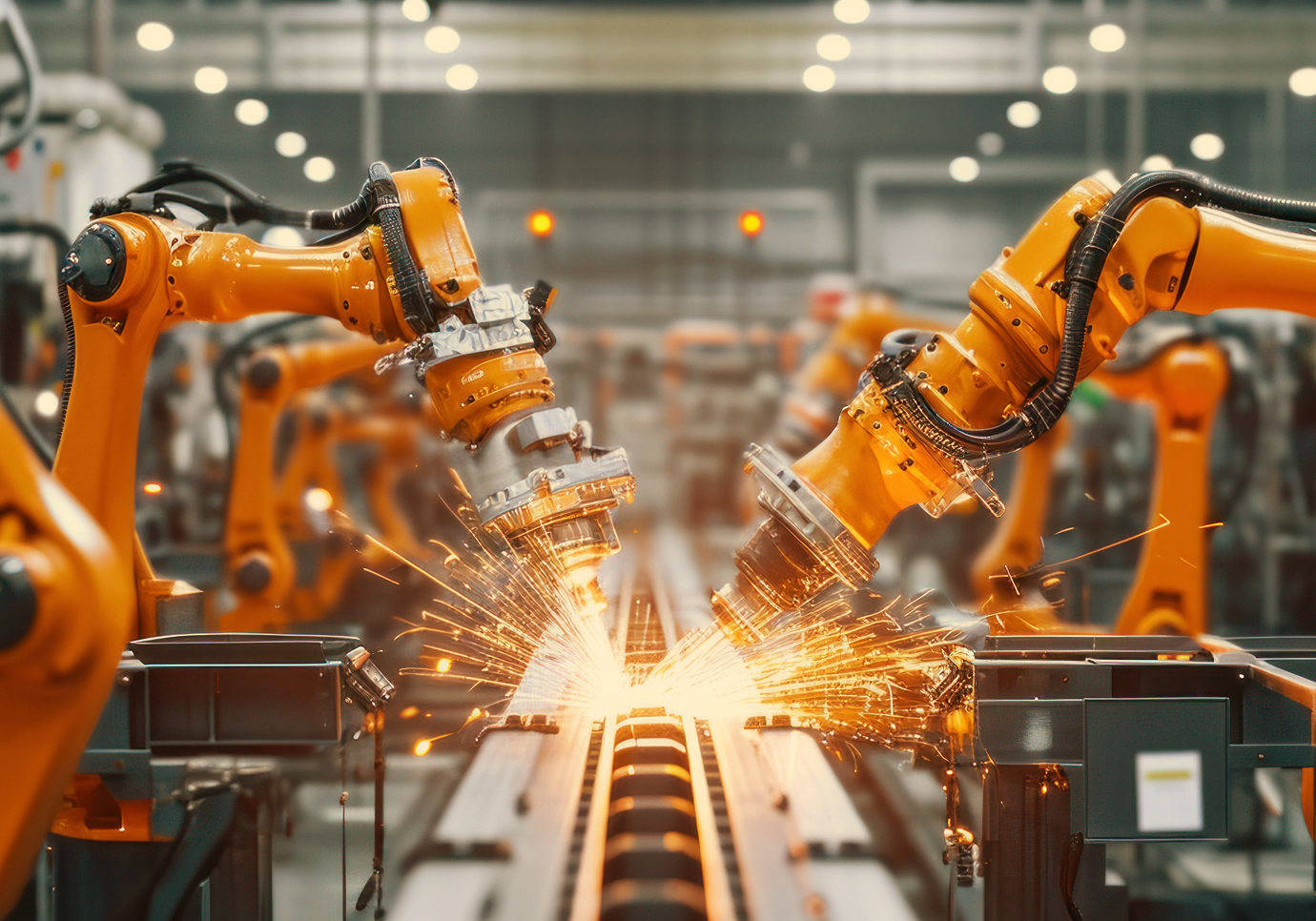
Manufacturers & Subcontractors
PMI can help you verify the material before it leaves your facility and provide clear documentation for quality and traceability.

Independent inspection or part of a project
PMI can be performed as an independent material verification or integrated into larger projects, such as piping systems and welded structures where material selection and traceability are critical.
When the inspection is carried out close to the final delivery, the correct material can be verified and any deviations detected before the component proceeds.
A material error is easiest to correct before the component is in place.