Renova selects Jernbro to modernise its biological waste facility in Gothenburg
Jernbro has been awarded the contract to rebuild Renova’s facility for pre-treatment of biological waste at Marieholm in Gothenburg. The project includes a new and more robust process solution that will contribute to increased resource recovery, higher operational reliability and an improved working environment. The contract is valued at more than SEK 60 million.
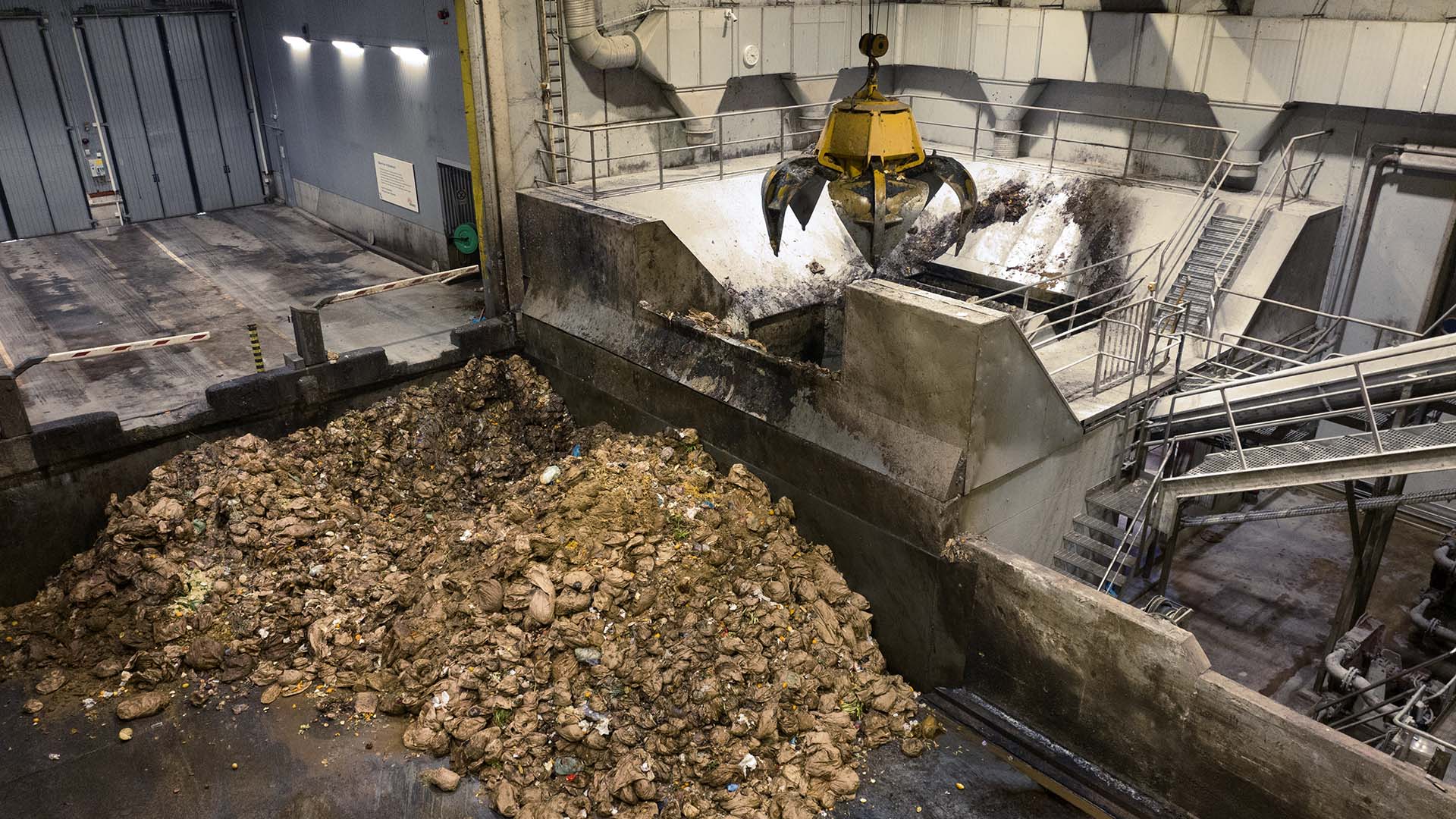
Renova’s facility at Marieholm receives biological waste for pre-treatment. The waste is converted into slurry, a viscous mass used for biogas production. The existing facility has been in operation for more than a decade and requires modernisation to meet future requirements for capacity, availability, environmental performance and the working environment.
The project will start in May 2026, and the new facility is expected to be operational by mid-2027.
For Jernbro, the assignment represents an important step in the company’s continued investment in western Sweden, where demand for industrial expertise, technical delivery capability and local project resources is increasing.
– We are very proud that Renova has entrusted us to deliver this important project. It is an assignment that is fully aligned with Jernbro’s strengths: combining local presence, broad technical expertise and the ability to deliver complex industrial solutions in existing facilities , says Simon Sandegren, Head of Department, Gothenburg, Jernbro.
The new process solution includes, among other things, new intake hoppers with crushers, conveyor systems with magnetic separators, screw presses, mixing vessels and storage tanks. The facility will be rebuilt into two separate treatment lines with high redundancy and a total capacity of 20 tonnes per hour.
The project is being carried out by Jernbro in close collaboration with Renova and selected partners.
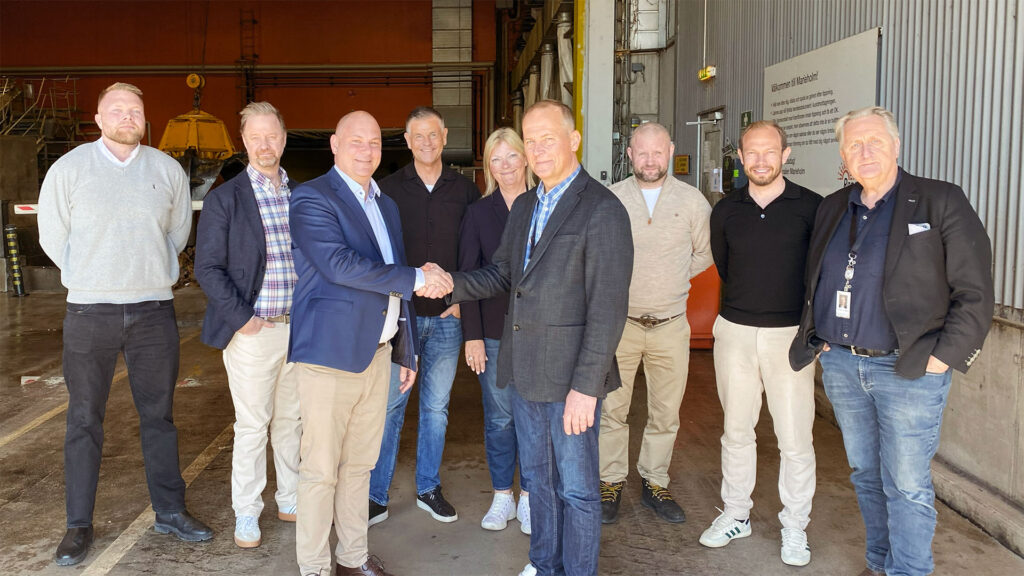
– This is an investment that strengthens both the environmental benefits and the long-term sustainability of our operations. We have chosen Jernbro as a partner because the project requires technical expertise, a strong understanding of operations and the ability to carry out the work in an existing facility. The new solution provides us with a more modern and robust facility that can contribute to increased nutrient recovery and biogas production for a long time to come , says Christer Lundgren, Business Area Manager Recycling, Renova Miljö.
The project supports the A2030 target that at least 70% of food waste should be used for nutrient recovery and biogas production. It also strengthens the City of Gothenburg’s efforts to reduce the climate impact from transport, where increased slurry production is an important part of biogas production.
– The assignment from Renova demonstrates the role Jernbro can play in the development of industry and critical societal infrastructure. We are a partner that can take responsibility for technically demanding industrial solutions where operations, sustainability and delivery must work together. At the same time, it strengthens our position in western Sweden, a region where we see significant opportunities to continue growing together with our customers , says Daniel Backman, CEO and Group President, Jernbro.
Key objectives of the rebuild
- Increased resource recovery: The updated process makes it possible to recover more bio-waste and reduce the amount of final reject.
- Higher operational reliability: The facility will be rebuilt into two separate treatment lines with high redundancy, creating better conditions for continuous operation even during maintenance.
- Improved working environment: Parts of the process will be enclosed to reduce noise, vibrations and emissions in the premises. Handling of unwanted material will also be further automated.
- Reduced climate impact: Increased slurry production strengthens the conditions for biogas production and contributes to reduced emissions from transport.

DID YOU KNOW?
Renova’s facility in Marieholm processes approximately 50,000 tonnes of food and catering waste per year into slurry, which then becomes a raw material for biogas and biofertiliser. (Source: Renova)
The food waste from a single family, equivalent to a household of four, can be enough to power a biogas car for up to 12 kilometres per week – or more than 600 km per year. (Source: Energigas Sverige)
Renova’s annual volume of food waste corresponds to up to 80 million kilometres driven by a biogas car, or roughly 2,000 laps around the Earth.
When the slurry is digested, biofertiliser is also produced, returning important nutrients to agriculture and potentially reducing the need for resource-intensive mineral fertilisers. (Source: Energigas Sverige)
For more information, please contact:
Simon Sandegren
Head of Department, Gothenburg, Jernbro
Phone: +46-10-483 05 95
Email: simon.sandegren@jernbro.com
About Jernbro
The Jernbro Group is Scandinavia’s leading knowledge partner in industrial services for sustainable operational reliability – by bringing together knowledge, technology and people. Around the clock, we ensure that production and critical societal infrastructure do not come to a standstill. When facilities need to be developed or changed, we lead, deliver and optimise industrial solutions that strengthen reliability and efficiency – in every project. With a local presence in 35 locations across Scandinavia, we strengthen our customers’ development and competitiveness – from industrial solutions and development initiatives to day-to-day maintenance.
 Back to all news